Blog / Ford Bronco

Is the Ford Bronco Practical in Junction City, KS?

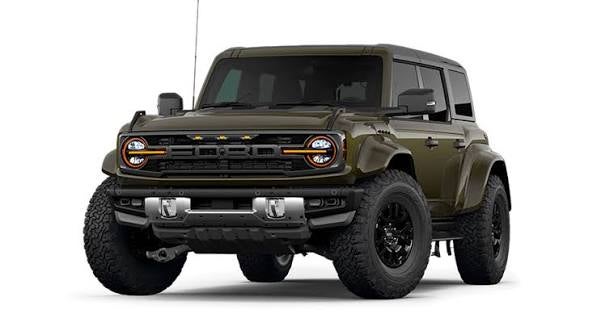
2026 Ford Bronco For Sale - Junction City, KS

Owning a Ford Bronco in Junction City Is Not Just About Going Off-Road!

There is a familiar picture people have in their heads when they think about a Ford Bronco. The roof is off. The doors are off. The trail is rocky. Mud is flying. Somewhere in the distance there is probably a mountain that looks nothing like Kansas. Then Monday morning arrives in Junction City. You need to get to work. Maybe you are heading toward Fort Riley. Maybe you are taking I-70 toward Manhattan. You need to stop for groceries, pick someone up, deal with January wind, fit into a parking space, carry everyday cargo, and do all the other things that have absolutely nothing to do with crawling over rocks. That creates a much more useful question for anyone considering a 2026 Ford Bronco: is the Bronco actually practical enough to be your everyday SUV? For the right driver, the answer is yes. The reason has less to do with the image of the Bronco and much more to do with how versatile the vehicle has become. The Bronco can still deliver the open-air experience and genuine four-wheel-drive capability that made it distinctive in the first place, but those strengths do not require you to live on a trail. In Central Kansas, where ordinary driving can include city streets, interstate miles, gravel roads, winter weather, lake weekends, military schedules, and long stretches between destinations, versatility matters more than spectacle.

Myth: You Need to Be an Off-Road Enthusiast to Justify a Bronco

This may be the biggest misconception surrounding the Bronco. Off-road ability is part of its identity, but owning one does not require planning every weekend around trail maps. Think of that capability more like having extra room in your house. You may not use every square foot every day, but when circumstances change, having more available to you can make life easier. A four-wheel-drive SUV makes sense in Kansas for reasons that extend well beyond recreational trails. Winter weather can change quickly. Gravel and rural roads are common once you leave the main corridors. Recreation around Milford Lake can put you on surfaces that are very different from Grant Avenue. Even a weekend trip through the Flint Hills can involve changing pavement, wind, loose gravel, uneven parking areas, and weather that did not appear especially threatening when you left home. The Bronco gives an owner a wider operating envelope. That does not mean you need all of its capability every morning. It means your vehicle is less likely to be the thing that limits what you decide to do. Ford also gives Bronco shoppers considerable choice. The 2026 Ford Bronco lineup includes configurations aimed at drivers who want a more approachable everyday SUV as well as versions intended for substantially more demanding off-road use.

Reality: Most Bronco Owners Still Spend Most of Their Time on Normal Roads

The most important test of any vehicle is not whether it performs well during its most dramatic moment. It is whether you enjoy living with it during ordinary ones. Consider a driver who lives in Junction City and works near Fort Riley. A normal week may include dozens of miles of routine commuting, a grocery trip, a drive to Manhattan, school activities, and a few errands around town. Maybe the weekend includes Milford State Park or a family trip farther west on I-70. In that life, the Bronco's usefulness comes from several different places.
  • Visibility matters in everyday traffic. The upright seating position and SUV proportions can give drivers a commanding view of their surroundings.
  • Four-wheel-drive capability can be useful beyond trails. Snow, loose surfaces, gravel, mud, and changing Kansas weather are all real ownership situations.
  • Open-air flexibility changes recreational use. The available removable roof and doors are not simply design gimmicks. They can fundamentally change how a spring or summer drive feels.
  • Cargo flexibility supports active weekends. Fishing gear, camping equipment, sports bags, coolers, muddy shoes, and outdoor equipment make more sense in a purpose-built SUV than in a vehicle chosen primarily for commuting.
None of those things require driving over boulders.

Myth: A Capable SUV Must Be Miserable to Drive Every Day

There was a time when serious off-road vehicles asked owners to accept obvious compromises. Steering could feel vague. Interiors could be loud. Technology could feel secondary. Highway driving was often something you tolerated because the vehicle was so good somewhere else. That stereotype has become outdated. A modern Bronco still feels different from a conventional crossover, and that difference is part of the attraction. It is upright, purposeful, and intentionally rugged. But it also provides modern connectivity, available comfort features, useful driver technology, and an interior designed for people who may spend far more time on I-70 than on a dirt trail. That distinction is important when shopping. Do not test drive a Bronco only by asking whether it feels as smooth or isolated as a road-focused crossover. Ask whether the personality of the vehicle adds something you value enough to accept the tradeoffs. For some people, the answer will be no. A traditional crossover may suit them better. For others, the Bronco's character is exactly why they like driving it. You can compare those priorities across the current new Ford inventory in Junction City instead of assuming every SUV should feel the same.

Reality: The Bronco Makes More Sense When Your Week and Weekend Look Different

The strongest case for a Bronco is not a driver who does the same thing every day. It is someone whose vehicle needs change during the week. Imagine this schedule. Monday through Friday involves commuting between Junction City and Fort Riley. Friday evening brings a run to Manhattan for dinner. Saturday morning means loading fishing equipment and a cooler before heading toward Milford Lake. Later in the spring, the same vehicle may carry camping equipment or take a scenic route through the Flint Hills. In summer, removing portions of the roof creates a completely different experience than the vehicle delivered in January. That is where the Bronco starts to make more sense than a vehicle optimized around one narrow task. You are not buying it because every mile is adventurous. You are buying it because the vehicle can comfortably move between ordinary life and the parts of life that are less ordinary.

What Does the Bronco Give Up Compared With a Conventional Crossover?

Every good vehicle decision includes tradeoffs. If your top priorities are the quietest possible cabin, maximum fuel efficiency, softest ride, or easiest possible highway manners, a more road-focused crossover deserves consideration. Those vehicles are designed around a different mission. The Bronco's boxier shape, removable body components, upright proportions, and off-road hardware exist because Ford is trying to preserve abilities that conventional crossovers do not prioritize. The right question is not whether those differences exist. They do. The question is whether the trade makes sense for you. If 99 percent of your driving is paved commuting and you have no interest in outdoor recreation, changing weather capability, open-air driving, or exploring roads that become less predictable beyond town, you may not need what the Bronco offers. If your lifestyle regularly moves between pavement and recreation, the equation changes.

How Kansas Winter Changes the Bronco Conversation

January is actually a useful month to evaluate a vehicle like the Bronco because winter strips away some of the marketing fantasy surrounding SUVs. You begin asking practical questions. How comfortable is it when temperatures fall? How much confidence do I have leaving early in the morning? How does visibility feel in poor weather? Can I carry wet or muddy gear without treating the interior like a museum? Do I feel prepared if the road surface changes? That is a much better ownership conversation than simply asking whether a vehicle is good in snow. No SUV can eliminate the need for good tires, reasonable speed, added following distance, and judgment in bad conditions. Four-wheel drive does not change the laws of physics. What it can do is give the vehicle additional capability when traction becomes limited. Owners should also treat winter maintenance as part of the equation. Battery condition, tire tread, tire pressure, fluids, wiper blades, and brakes become especially important during temperature swings. Valor Ford provides a Ford service scheduling option for drivers who want to prepare their vehicle for seasonal driving.

Why Milford Lake Is a Better Test of Bronco Ownership Than an Extreme Trail

You do not have to leave Geary County to understand why a Bronco can be appealing. A weekend around Milford Lake provides a realistic picture. You may start on pavement, pull into an uneven parking area, encounter gravel or dirt, carry equipment that you would rather not place on pristine carpeting, and spend the day outdoors. Weather may change while you are there. Wind is normal. Spring can bring mud. Summer can bring heat and dust. This is not extreme off-roading. It is simply outdoor life in Kansas. That distinction is important because many people overestimate how extreme their lifestyle needs to be before a rugged SUV starts making sense. Real owners are often looking for flexibility, not a trophy for conquering a trail.

Who Is the 2026 Ford Bronco Really For?

The Bronco works particularly well for drivers who value experience almost as much as transportation. It may be a strong fit if:
  • You commute during the week but spend meaningful time outdoors on weekends.
  • You want four-wheel-drive confidence for more than occasional bad weather.
  • You like the idea of removable doors or roof panels during warmer Kansas months.
  • You regularly carry camping, fishing, sports, pet, or recreation gear.
  • You prefer a vehicle with personality rather than one designed to disappear into traffic.
  • You expect your vehicle to handle pavement, gravel, weather, and recreational destinations without requiring much planning.
It may be less logical if you want an SUV primarily for quiet highway commuting, have no need for rugged capability, and place efficiency ahead of flexibility. There is nothing wrong with either answer. Good vehicle shopping is about finding the product that fits the owner, not proving that one vehicle is universally superior.

How Should You Shop for a Bronco?

Start with lifestyle rather than trim names. Ask what you actually expect the vehicle to do during the next three to five years. Will you be commuting to Fort Riley? Camping? Driving pets to the lake? Taking road trips? Pulling recreational equipment? Using the removable roof? Spending significant time on gravel? Once those needs are clear, trim and equipment decisions become easier. You can browse new Ford vehicles, compare them with pre-owned options, review current Ford specials, or contact Valor Ford with questions about how different configurations fit your routine. The purpose of a test drive should also be broader than deciding whether you like the acceleration. Drive the types of roads you actually use. Check rear-seat access if children or adults regularly ride with you. Think through your cargo. Sit in it long enough to understand the driving position. Decide whether its personality feels entertaining or unnecessary. A Bronco is not meant to feel like every other SUV. That is exactly the point.

Questions Junction City Drivers Ask About Living With a Ford Bronco

Is a Ford Bronco practical enough to use as a daily driver?

Yes, for many drivers it can be. The key is understanding that the Bronco is an everyday SUV with a stronger emphasis on rugged capability and outdoor flexibility than a conventional crossover. If your routine includes commuting around Junction City, driving to Fort Riley, using I-70, making regular trips to Manhattan, and handling ordinary errands, the Bronco can perform those tasks while still giving you additional capability for weekends. The tradeoff is that its upright design and removable components give it a different road personality than an SUV built primarily around quiet highway travel. A test drive should therefore focus on your real routes rather than only a short loop around the dealership. The Bronco makes the most sense when you appreciate what its added flexibility gives you beyond the commute.

Do I need a Ford Bronco if I never go rock crawling?

No one technically needs a Bronco simply because they encounter gravel or winter weather, but rock crawling is not the threshold for making good use of one. Many Central Kansas drivers spend time around lakes, campsites, rural roads, hunting or fishing areas, unpaved parking lots, and recreational destinations where additional traction and ground clearance can be useful. The Bronco also provides an experience benefit through removable roof and door options that has nothing to do with extreme off-roading. The better question is whether you value versatility, outdoor recreation, open-air driving, and the confidence of a more capable four-wheel-drive platform. If those qualities fit your lifestyle, the Bronco can make sense even if the most challenging terrain you encounter is a muddy access road near Milford Lake.

Is the Bronco a good choice for driving between Junction City and Fort Riley?

It can be, particularly for someone who wants one vehicle to serve both weekday commuting and weekend recreation. A Fort Riley commute places much more emphasis on comfort, visibility, technology, and daily usability than on off-road capability, so shoppers should pay attention to those factors during a test drive. The advantage of the Bronco is what happens outside of that commute. The same SUV can transition into weekend trips, winter weather, gravel roads, camping, fishing, or open-air driving when temperatures improve. That gives the owner more flexibility without keeping a separate recreational vehicle. Drivers who care primarily about quiet commuting and maximum efficiency may prefer another type of SUV, but those wanting a more varied ownership experience may find the Bronco especially appealing.

Does four-wheel drive make a Bronco safer in Kansas snow and ice?

Four-wheel drive can improve the vehicle's ability to gain traction and move on slippery surfaces, but it should not be confused with immunity from winter conditions. Braking distance, cornering grip, speed, tire condition, and driver judgment remain critical. Ice can reduce traction for any vehicle. The practical advantage is that a four-wheel-drive SUV may give a driver more capability when pulling away from a slick intersection, traveling through deeper snow, or dealing with loose or uneven surfaces. Kansas drivers should still prepare for winter with proper tire tread, correct pressure, healthy batteries, working wipers, functioning brakes, and adequate fluids. The Bronco's drivetrain is one part of winter readiness, not a substitute for the maintenance and driving habits that ultimately determine how confidently a vehicle performs.

Would a Bronco work for families, dogs, and outdoor gear?

For many households, yes. The Bronco's appeal grows when daily passenger needs overlap with outdoor equipment. A family may need rear-seat room during the week, then cargo space for coolers, fishing equipment, sports bags, camping supplies, or pet gear on Saturday. That is exactly the type of mixed-use ownership where an SUV designed around recreation becomes valuable. Buyers should still evaluate the specific body style and configuration because family needs vary significantly. A couple carrying a dog and camping equipment has very different priorities from a household regularly transporting multiple children. Bring those real requirements into the shopping process. Look at how seats fold, how easily passengers enter and exit, where gear would go, and whether the cargo arrangement fits the way your household actually travels.

What should I compare before buying a 2026 Ford Bronco?

Compare the Bronco against your own priorities before comparing it against another vehicle. Start with the percentage of your driving that is commuting, highway travel, winter weather, gravel roads, outdoor recreation, and family use. Then decide how important open-air driving, four-wheel-drive capability, cargo flexibility, towing needs, fuel costs, interior quietness, and ride comfort are to you. Only after that should you compare trims and equipment. This prevents you from buying more off-road hardware than you will use or, in the opposite direction, choosing a configuration you may quickly outgrow. Valor Ford's current inventory, used inventory, financing tools, specials, service resources, and contact options can then help narrow the search around the vehicle that best matches those priorities rather than simply the Bronco that looks most dramatic online.

See Whether the Bronco Fits Your Version of Kansas Life

The Ford Bronco is easy to understand as an adventure vehicle. It becomes more interesting when you realize that adventure may represent only a small percentage of the miles you drive. The real value is the ability to commute on Monday, handle a January weather change on Wednesday, drive to Manhattan on Friday, load up for Milford Lake on Saturday, and open the vehicle to the Kansas sky once warmer weather arrives. If that sounds more like your life than an extreme trail does, you are probably asking the right question about the Bronco.

Posted in:

Recommended Posts

AC Repair In Salina, KS

Car AC Repair Near Me in Junction City, KS | Valor Auto Group

Car AC Repair Near Me in Junction City, KS: Why Is My AC Not Blowing Cold? A weak air conditioner is annoying in April. In August in Kansas, it can dominate the entire drive. You start the vehicle after it has been sitting in the sun. The fan comes on. Air moves through the vents. But it never really gets cold. Or it cools while you are moving and becomes warm at a stoplight. Maybe one side of the cabin feels different from the other. Maybe the system makes a noise it did not make last summer. That is usually when the search begins: Car AC repair near me. Air-conditioning problems can have several causes, which is why adding refrigerant without diagnosis is not always the correct solution. The first step is understanding what the system is doing differently. Why Is My Car AC Blowing Warm Air? Warm air can result from several conditions. Possible areas that may require diagnosis include refrigerant level, leaks, compressor operation, electrical components, sensors, airflow, condenser performance, or other parts of the climate-control system. The important point is that "not cold" is a symptom. It is not a diagnosis. A technician needs to determine why the system is not cooling properly before the correct repair can be recommended. Does My Car Just Need an AC Recharge? Maybe. But refrigerant is part of a closed system. If refrigerant is low, the more useful question may be why. Simply adding refrigerant without investigating a leak can provide temporary improvement while leaving the underlying problem unresolved. Professional AC diagnosis can help determine system condition before parts or refrigerant are added unnecessarily. Why Does My AC Get Warmer When I Stop? Drivers sometimes notice that AC performance changes between highway driving and sitting still. Airflow through the condenser, cooling fan operation, system pressures, ambient temperature, and other factors can affect performance. Tell the technician exactly when the problem occurs. "It does not work" provides less diagnostic information than: "It gets cold on I-70 but becomes warm when I sit at a light." Patterns help diagnosis. Why Is the AC Cold on One Side and Warm on the Other? Vehicles with dual-zone or multi-zone climate control have additional components that manage temperature in different parts of the cabin. A left-versus-right temperature difference can involve airflow doors, actuators, sensors, refrigerant-related conditions, or other climate-control components. Again, diagnosis matters more than guessing. Why Is My AC Making a Strange Noise? New sounds should be reported when scheduling service. Clicking behind the dashboard, squealing from the engine compartment, unusual fan noise, or other sounds can help point technicians toward the affected area. Do not assume every AC noise means the compressor has failed. The climate-control system includes multiple mechanical and electrical components. Why Does My Car Smell Strange When the AC Is On? Odors from the vents can have several causes. Moisture, debris, cabin filtration, biological growth, or other conditions may contribute to unpleasant smells. A burning smell is a different concern and should be taken more seriously because electrical or mechanical problems may be involved. Describe the odor accurately when speaking with a service advisor. Can a Dirty Cabin Air Filter Make My AC Feel Weak? A restricted cabin air filter can reduce airflow through the vents. That can make the air-conditioning system feel less effective even if the air itself is cold. Cabin filter replacement intervals and conditions vary by vehicle and environment. Kansas dust, gravel-road use, pollen, and other conditions can influence how quickly a filter becomes dirty. Check the maintenance information for your vehicle and have the filter inspected when airflow becomes noticeably weaker. Can Extreme Kansas Heat Affect AC Performance? Yes. A vehicle that has been sitting in direct sunlight can begin with an extremely hot cabin, dashboard, seats, glass, and interior surfaces. The AC system must remove that accumulated heat before the cabin becomes comfortable. That means cooling can take longer on a very hot afternoon than on a mild morning. But a system that consistently cannot produce properly cooled air may still need inspection. Should I Run the AC Before Deciding It Is Broken? Give the system a reasonable opportunity to cool the cabin, particularly after the vehicle has been sitting in direct sun. Opening the doors briefly or allowing extremely hot air to escape can help reduce the initial heat load. Then operate the climate control normally. If vent temperature remains warm or system behavior is clearly different from normal, schedule an inspection. Can Engine Cooling Problems Affect Air Conditioning? Vehicle systems do not operate entirely in isolation. If the engine is overheating or the vehicle has another cooling-system problem, AC operation may be affected or reduced as the vehicle attempts to protect itself. An overheating engine is more urgent than cabin comfort. If the temperature gauge is unusually high or a temperature warning appears, address the engine cooling concern immediately. Can an Electrical Problem Stop the AC From Working? Yes. Modern climate-control systems use electrical circuits, modules, sensors, switches, relays, actuators, and other electronically controlled components. That is another reason why "AC recharge" should not automatically be the first repair. If the problem is electrical, adding refrigerant will not solve it. Why Proper AC Diagnosis Matters Good diagnosis prevents parts replacement from becoming trial and error. The service process may include evaluating system operation, temperatures, pressures, airflow, electronic data, compressor behavior, and other conditions depending on the vehicle and symptom. The repair should follow what testing reveals. This is the same principle that applies to check engine lights, brakes, and other automotive systems. Diagnose first. Repair second. Where Can I Find Car AC Repair Near Me in Junction City? Valor Auto Group provides automotive maintenance, diagnostics, and repair through its Junction City service operations. Because specific AC repair needs can vary by make, model, and system, contact the service department with the vehicle information and symptom when scheduling. Valor's service operations are located at 1825 Goldenbelt Boulevard in Junction City. You can start through the Valor Auto Group Service & Parts page. Can I Bring My Vehicle to Valor if I Did Not Buy It There? Yes. Valor Auto Group's service information states that customers can bring vehicles for service even when the vehicle was purchased elsewhere. That makes the service department an option for new Junction City residents, Fort Riley families, Manhattan-area drivers, and used-vehicle owners. Does My Vehicle Have to Be a Ford, Jeep, Ram, Chrysler or Dodge? Valor specializes in the brands represented by its Ford and CDJR operations, but the group's service information also states that it can assist with vehicles outside those brands. For specialized work, contact the service department with the exact year, make, model, and symptoms to confirm available service. How Can I Help My AC Work Better in Summer? You cannot maintenance-hack your way around a mechanical failure, but a few habits can reduce cabin heat and help the system work more efficiently. Use shade when practical Use a windshield sunshade Allow extremely hot cabin air to escape briefly before cooling Keep the cabin air filter maintained Pay attention when cooling performance changes Do not ignore engine overheating The most important habit is noticing deterioration early. An AC system that gradually becomes less effective is giving you useful information. Questions Drivers Ask About Car AC Repair Near Me Where can I find car AC repair near me in Junction City, KS? Valor Auto Group provides automotive maintenance, diagnostic, and repair services through its Junction City Ford and CDJR service operations at 1825 Goldenbelt Boulevard. Because air-conditioning repairs can range from refrigerant-related concerns to electrical, airflow, compressor, sensor, or other climate-control problems, contact the service department with your year, make, model, and symptoms before scheduling. Junction City also has independent automotive repair businesses that provide AC work. The important factor is choosing a facility capable of diagnosing the system rather than simply adding refrigerant without determining why cooling performance changed. Why is my car AC not blowing cold? Possible causes include refrigerant loss, leaks, compressor issues, electrical problems, cooling-fan concerns, airflow restrictions, sensors, climate-control components, or other system faults. Because several problems can create the same warm-air symptom, diagnosis should come before repair. Tell the technician whether the AC is always warm, cools only while driving, changes with engine speed, works differently from one side of the cabin to the other, or produces unusual sounds. Those details can help narrow the diagnostic process. How do I know if my car AC needs refrigerant? Low refrigerant can reduce AC performance, but warm air alone does not prove that refrigerant is the problem. A technician can evaluate system pressures, temperatures, and operation to determine whether the refrigerant charge is incorrect. If the system is low, the next question is whether a leak is present. Refrigerant should not normally disappear simply because summer arrived. Proper diagnosis helps avoid repeatedly recharging a system without addressing the reason refrigerant was lost. Why does my AC work while driving but not when stopped? Vehicle speed changes airflow across components at the front of the vehicle. Cooling fan operation, condenser performance, refrigerant pressures, outside temperature, and other system conditions can therefore affect how the AC behaves at idle compared with highway speed. This pattern is useful diagnostic information. Tell the service advisor if the AC becomes noticeably warmer in traffic but cools again after the vehicle starts moving. Do not assume the problem automatically requires a compressor or recharge until the system has been tested. Can a cabin air filter cause weak AC? A dirty or restricted cabin air filter can reduce the amount of air moving through the vents. That can make the climate-control system feel weak even if the air passing through it is cold. Filter condition can be affected by mileage, dust, pollen, gravel-road driving, and environmental conditions. The cabin filter is only one possible cause of poor airflow, so replacement should be based on inspection and the vehicle's maintenance guidance. If fan speed sounds normal but very little air reaches the cabin, mention that symptom when scheduling service. Should I keep driving if my AC stops working? An AC failure by itself does not necessarily make a vehicle unsafe to drive, but the reason for the failure matters. If the AC problem occurs with engine overheating, warning lights, unusual odors, smoke, electrical problems, or other serious symptoms, stop and seek professional guidance. Engine temperature is particularly important. If the engine is overheating, continuing to drive can cause significant damage. If the only symptom is reduced cabin cooling and the vehicle otherwise operates normally, schedule diagnosis so the system can be inspected before the problem becomes more complicated. Do Not Wait Until the Hottest Day of the Year to Diagnose Weak AC Air-conditioning problems tend to become impossible to ignore at exactly the wrong time. The cabin is hot. The vehicle has been sitting in the sun. You have passengers. You are heading toward Manhattan or getting onto I-70. If cooling performance has changed, diagnose the problem before another Kansas heat wave makes it urgent. Valor Auto Group provides automotive service and repair in Junction City for customers throughout Junction City, Fort Riley, Manhattan, and Central Kansas. You can also review current service and parts specials or contact Valor Auto Group about your vehicle's service needs.

Brake Repair Near Junction City, KS

Brake Repair Near Me in Junction City, KS | Valor Auto Group

Brake Repair Near Me in Junction City, KS: 7 Signs Your Brakes Need Attention Brake problems rarely improve by waiting. They may become louder. The pedal may feel different. The steering wheel may start shaking. Stopping may become less smooth. Or the vehicle may give you very little warning at all. That is why a search for brake repair near me should begin with understanding the symptoms rather than trying to diagnose the vehicle from the driver's seat. Valor Auto Group provides brake inspections and brake service in Junction City for drivers from Junction City, Fort Riley, Manhattan, and surrounding Central Kansas communities. Here are seven signs that should move a brake inspection higher on your priority list. 1. Why Are My Brakes Squeaking? Squeaking is probably the brake symptom drivers recognize most quickly. But it does not point to one universal problem. Brake noise can be influenced by pad condition, moisture, debris, component design, glazing, rotor condition, or other factors. Some noises may be relatively minor. Persistent or changing noises deserve inspection. The mistake is assuming that because a vehicle still stops normally, the sound can be ignored indefinitely. A technician can inspect the friction material and related brake components to determine whether wear or another condition needs attention. 2. What Does Grinding When Braking Mean? Grinding deserves more urgency. A grinding sound can indicate that brake friction material has worn significantly or that metal components are contacting surfaces they should not. Continuing to drive with severely worn brake components can increase repair cost and compromise braking performance. If you hear a new grinding noise while applying the brakes, schedule an inspection promptly. If braking performance has also changed substantially, consider whether the vehicle should be driven at all before receiving professional guidance. 3. Why Does My Steering Wheel Shake When I Brake? Vibration during braking can have several possible causes. Drivers often describe it as a pulsing brake pedal, shaking steering wheel, or vibration through the vehicle. Brake rotor condition may be involved, but suspension, tire, wheel, and other issues can sometimes create similar sensations. That is why diagnosis matters. The symptom tells you something changed. It does not always tell you which part to replace. 4. Why Is My Car Pulling When I Brake? A vehicle that moves noticeably toward one side while braking should be inspected. Brake component operation may be involved, but tire condition, alignment, suspension, and other mechanical factors can also affect how a vehicle tracks. Do not assume a pull is "just alignment" without inspection. If the behavior is new, especially if it appears specifically during braking, tell the service advisor exactly when it happens. 5. Why Does My Brake Pedal Feel Soft? Drivers become accustomed to how their brake pedal normally feels. That makes a significant change important. A pedal that suddenly feels unusually soft, travels farther than normal, or responds differently should not be dismissed. Brake systems rely on hydraulic operation and multiple mechanical components. Changes in pedal behavior can indicate a condition that requires professional evaluation. If the pedal approaches the floor or braking ability is significantly reduced, do not continue normal driving and hope the problem resolves itself. 6. What Does a Brake Warning Light Mean? Modern vehicles can display several brake-related warnings. Some relate to the parking brake. Others can indicate an issue within the braking or anti-lock braking system. The exact meaning depends on the vehicle. Check the owner's information and pay attention to whether the warning appears with other symptoms. A warning light combined with poor braking, unusual pedal feel, fluid loss, or other changes deserves immediate attention. 7. Why Is My Vehicle Taking Longer to Stop? This may be the most important symptom of all. If the vehicle does not stop the way it normally does, do not wait for a louder warning. Reduced braking performance can relate to multiple conditions and requires inspection. Drivers naturally adapt to gradual wear, which can make deterioration difficult to notice. That is one reason periodic brake inspections matter even when there is no dramatic failure. How Often Should Brakes Be Inspected? There is no universal mileage at which every vehicle needs brake pads. Brake life varies with: Vehicle weight Driving style Highway versus city use Towing Terrain Brake material Weather Vehicle configuration A truck towing trailers can create a different brake-use pattern from a commuter car spending most of its time on I-70. Inspection is more useful than guessing from mileage alone. Does Towing Wear Brakes Faster? Towing adds weight that the vehicle must manage during acceleration, cornering, and braking. Proper trailer brakes and towing equipment are important because the truck should not be expected to manage an improperly configured trailer by itself. Drivers who tow regularly should pay particular attention to brake condition and manufacturer-recommended maintenance. This applies to F-150, Ram 1500, Super Duty, Ram Heavy Duty, and other tow vehicles. Why Kansas Driving Conditions Matter Central Kansas driving can include highway mileage, rural roads, gravel, winter conditions, heat, towing, and frequent changes in speed between town and open road. No single environment determines brake life. The combination does. Drivers should also remember that tires affect stopping performance. Brakes cannot create more grip than the tire-road connection allows. That is why brake and tire condition often deserve to be evaluated together. Do I Need Brake Pads or Brake Rotors? Not every brake service requires the same parts. A proper inspection should evaluate the condition of the braking components rather than automatically replacing everything. Depending on wear and condition, service could involve pads, rotors, fluid-related work, hardware, or other components. The correct repair should follow diagnosis. Why Brake Fluid Matters Brake systems rely on hydraulic fluid to transfer force. Brake fluid condition and level therefore matter to system operation. Service recommendations vary by manufacturer and vehicle. Follow the maintenance information for your specific model rather than assuming every vehicle uses the same interval. Can Tires Make a Brake Problem Feel Worse? Absolutely. Worn or improperly inflated tires can reduce available traction. Alignment or suspension problems can also affect vehicle behavior during braking. This is why a professional inspection looks beyond one component when symptoms point to a broader issue. Where Can I Find Brake Repair Near Me in Junction City? Valor Auto Group provides brake inspections and brake service through its Junction City service operations. The group services Ford, Chrysler, Dodge, Jeep, and Ram vehicles and can assist with additional vehicle service needs as well. You do not have to have purchased the vehicle from Valor. Start with the Valor Auto Group Service & Parts page when you need brake service in Junction City. Can Fort Riley Drivers Get Brake Service at Valor? Yes. Valor's Junction City location makes it a nearby service option for Fort Riley drivers. That can be especially useful for military families who recently moved to the area and have not yet established a relationship with a local repair shop. If your vehicle is making a new brake noise or braking differently, explain the symptom when scheduling so the service team understands why you are bringing it in. Can Manhattan Drivers Use Valor for Brake Repair? Yes. Valor Auto Group serves customers from Junction City, Manhattan, and surrounding Central Kansas communities. For Ford and CDJR owners, the Junction City location also provides access to brand-focused service resources. Questions Drivers Ask About Brake Repair Near Me Where can I get brake repair near me in Junction City, KS? Valor Auto Group provides brake inspections and brake service at its Junction City service operations at 1825 Goldenbelt Boulevard. The group serves Ford, Chrysler, Dodge, Jeep, Ram, and additional automotive service needs. Junction City also has independent brake and repair shops, giving local drivers several options. When choosing a shop, look beyond proximity. Consider diagnostic capability, technician experience, parts quality, warranty considerations, and whether the facility can address related tire, alignment, suspension, or mechanical concerns if the brake symptom turns out to involve more than friction material. How do I know if I need new brake pads? Brake pad wear should be confirmed through inspection. Possible warning signs include persistent squealing, grinding, changes in pedal feel, reduced braking performance, or a vehicle-specific wear indicator. However, not every noise means the pads require replacement, and brake components can sometimes wear without dramatic symptoms. Driving conditions also affect pad life, so there is no single mileage at which every vehicle needs brakes. A professional inspection can measure friction material and evaluate related components before recommending service. Why do my brakes grind? Grinding can indicate significant brake wear or contact between components that should not be operating together in that condition. It deserves prompt inspection. Continuing to drive may increase damage and repair cost, and braking performance can eventually be affected. Because sounds can travel through a vehicle, the exact cause should still be confirmed professionally rather than ordering parts based on noise alone. If grinding is accompanied by poor braking, warning lights, a soft pedal, or other serious symptoms, seek professional guidance before continuing normal driving. Why does my car shake when I brake? Brake-related vibration can involve rotor condition, but tires, wheels, suspension components, and other mechanical issues can sometimes create similar symptoms. Pay attention to where you feel the vibration and when it occurs. Does the steering wheel shake? Does the pedal pulse? Does it happen only at highway speeds? Does the vehicle pull? Those details can help a technician reproduce and diagnose the concern. Avoid assuming the vehicle automatically needs rotors until the system has been inspected. How much does brake repair cost? Brake repair cost depends on the vehicle and what actually needs replacement or repair. Pad replacement is a different job from pads and rotors, hydraulic repair, caliper work, or more extensive brake-system service. Vehicle size and parts requirements also affect cost. The most useful first step is diagnosis and inspection. Valor Auto Group maintains a Service & Parts Specials page where customers can review current offers before scheduling. Should I keep driving if my brakes feel different? That depends on the severity of the change, but significant braking changes should always be taken seriously. If the pedal is going toward the floor, stopping ability is substantially reduced, a brake warning is accompanied by poor performance, or the vehicle feels unsafe, do not continue normal driving. Contact a professional service provider for guidance. If the symptom is less severe, such as a new squeak with otherwise normal operation, schedule an inspection rather than waiting for the condition to become worse. Brakes are a safety system, so early evaluation is the appropriate approach. Your Brakes Should Not Have to Get Loud Before You Listen The best time to inspect a brake concern is before the vehicle forces the issue. Squealing, grinding, vibration, pulling, warning lights, pedal changes, and reduced stopping performance are all reasons to pay attention. Valor Auto Group provides brake service and automotive repair in Junction City for customers from Junction City, Fort Riley, Manhattan, and surrounding Central Kansas communities. Drivers can also check current service and parts specials or contact Valor Auto Group for assistance.

Ford Vehicle Repair In Junction City, KS

Auto Repair Near Me in Junction City, KS & Manhattan, KS | Valor Auto Group

Auto Repair Near Me in Junction City & Manhattan, KS: What Local Drivers Should Know Most people do not search for an auto repair shop when everything is going well. They search when something changed. A warning light appeared. The car started making a noise. The steering feels different. The engine hesitates. The battery is struggling. The brakes do not feel right. Something is leaking. The air conditioning stopped keeping up. Then the phone comes out and the search becomes simple: Auto repair near me. For drivers in Junction City, Fort Riley, Manhattan, and surrounding Central Kansas communities, the harder question comes next. Where should you actually take the vehicle? Valor Auto Group in Junction City provides automotive maintenance and repair through its Ford and Chrysler, Dodge, Jeep and Ram service operations. The group handles routine maintenance, diagnostics, brakes, tires, batteries, fluid services, and more complex repair needs. And you do not have to have purchased the vehicle from Valor to bring it in for service. Where Can I Find Auto Repair Near Me in Junction City, KS? Junction City has multiple independent mechanics, tire stores, repair facilities, and dealership service departments. That is good for consumers. Competition gives drivers choices. The important step is matching the shop to the problem. Before scheduling auto repair, determine whether the facility can properly diagnose and perform the work your vehicle may require. Some shops specialize heavily in tires. Others focus on exhaust systems. Others perform broad mechanical repair. Dealership service departments may bring manufacturer-specific training, diagnostic equipment, technical information, and OEM parts access into the equation. Valor Auto Group provides both Ford and CDJR service in Junction City, giving the group experience with Ford, Chrysler, Dodge, Jeep, and Ram vehicles while also helping with other vehicle service needs. What Types of Auto Repair Does Valor Auto Group Handle? Automotive repair covers a much wider range of work than oil changes. Valor's current service resources include areas such as: Oil changes and routine maintenance Brake inspections and brake service Tire rotations and tire service Battery testing and replacement Wheel alignments Fluid services Vehicle inspections Diagnostics Manufacturer-recommended maintenance More complex mechanical repairs That distinction matters when searching for "car repair near me." A quick maintenance facility may be perfect for one problem and poorly suited to another. The goal is not to find the closest building with a wrench on the sign. It is to find a service department equipped for the work your vehicle actually needs. Do I Have to Own a Ford, Jeep, Ram, Chrysler or Dodge? No. Valor's group service information specifically notes that its service operations can help even if you are not driving one of the brands sold by the group. That is important for used-vehicle owners. A customer may purchase a pre-owned Chevrolet, Toyota, Nissan, Honda, GMC, Kia, Hyundai, or another make and still need routine maintenance and repair after the purchase. The service relationship does not necessarily stop because the badge on the grille is different. For highly specialized repairs or warranty work, the appropriate manufacturer facility may still be necessary. The service team can help determine whether a particular repair is something Valor can perform. When Should I Search for a Mechanic Near Me? Do not wait for a vehicle to stop moving. Many mechanical problems give warning signs before they become breakdowns. Schedule an inspection when you notice changes such as: A warning light that remains illuminated New grinding, squealing, knocking, or clunking noises Steering that pulls or feels loose Vibration at speed or while braking Slow engine cranking Fluid underneath the vehicle Unusual odors Engine hesitation Overheating Reduced braking performance Uneven tire wear Air conditioning that no longer cools properly A symptom is information. Ignoring it does not make the underlying issue disappear. What Does a Check Engine Light Actually Mean? A check engine light does not identify one specific repair. The vehicle's computer has detected a condition outside its expected operating parameters and stored diagnostic information. Reading a diagnostic trouble code can help identify which system needs investigation, but the code itself is not always the final diagnosis. That distinction matters. Replacing a part simply because its name appears in a code description can waste money if the underlying problem is wiring, a leak, another component, or a condition elsewhere in the system. Professional diagnostics should determine the cause before the repair begins. What If My Check Engine Light Is Flashing? A flashing check engine light can indicate a more serious condition than a steady light and should not be ignored. If the vehicle is running poorly, losing power, overheating, producing unusual noises, or displaying additional warnings, continuing to drive may cause further damage or create a safety issue. When in doubt, stop somewhere safe and contact a professional service provider for guidance. Why Are Brakes Such an Important Auto Repair Search? Brake problems often announce themselves. Squealing. Grinding. Pulsation. A steering wheel that shakes while braking. A pedal that feels different. The vehicle pulling to one side. Some brake noises can have relatively minor causes. Others indicate worn components that require attention. The problem is that drivers cannot reliably determine severity based on volume alone. A quiet brake issue is not automatically safe, and a loud brake issue is not automatically catastrophic. Inspection matters. Valor Auto Group lists brake service among the maintenance and repair work available through its service operations. Can Uneven Tire Wear Mean I Need Auto Repair? Yes. Tires often reveal problems elsewhere in the vehicle. Uneven wear can relate to alignment, inflation, suspension condition, rotation history, driving habits, or damaged components. Replacing the tire without addressing the underlying cause can allow the same wear pattern to return. This is why tire service and mechanical inspection sometimes belong in the same conversation. How Do I Know if My Battery Is Failing? A battery often becomes noticeable during starting. Slow cranking, intermittent starting trouble, electrical behavior, or needing repeated jump starts can all justify testing the battery and charging system. Kansas temperature extremes can also be demanding on batteries. A battery test can help determine whether the battery is healthy before a no-start situation makes the decision for you. Should I Choose an Independent Mechanic or Dealership Service Center? There is no universal answer. Independent shops can provide excellent service and often build strong relationships with local customers. Dealership service departments can offer another set of advantages, particularly for the brands they represent. Those advantages may include: Manufacturer-specific technician training Access to OEM diagnostic information Manufacturer-specific tools and equipment OEM parts access Warranty and recall knowledge Ability to combine routine maintenance and more involved repairs The right choice depends on the vehicle, repair, warranty status, and what matters most to the owner. Does Valor Service Vehicles That Were Purchased Somewhere Else? Yes. You do not need to have purchased your vehicle from Valor Auto Group to use its service department. That is important for military families arriving at Fort Riley, people moving into Junction City, used-car owners, and drivers who simply purchased their current vehicle somewhere else. Service and vehicle sales are separate decisions. Why Local Auto Repair Matters for Fort Riley Drivers Military life can make dependable transportation particularly important. Work schedules do not become more flexible because a vehicle develops a mechanical problem. Families may also be relatively new to the area and not have an established mechanic yet. That makes searches such as "auto repair near Fort Riley," "mechanic near Fort Riley," and "car repair near me" especially important. Valor Auto Group is located in Junction City and serves customers throughout the surrounding area. What Should Manhattan Drivers Consider When Looking for Auto Repair? Distance is only one part of convenience. Drivers traveling from Manhattan should also consider whether the service center has the diagnostic capability, parts access, and experience necessary for the repair. A slightly longer drive can be worthwhile if it reduces repeated visits or allows several maintenance needs to be handled together. Valor's Junction City location gives Manhattan-area Ford and CDJR owners another service option west of town. How Can I Reduce the Chance of a Major Repair? No maintenance plan prevents every mechanical problem. But routine service can identify wear before it becomes failure. Oil changes, brake inspections, tire rotations, battery tests, fluid checks, filters, belts, hoses, and manufacturer-recommended inspections all give technicians opportunities to identify developing concerns. The cheapest repair is often the one that never becomes necessary because a smaller issue was handled first. Valor Auto Group also maintains a Service & Parts Specials page for current maintenance opportunities. Questions Drivers Ask When Searching for Auto Repair Near Me Where can I find auto repair near me in Junction City, KS? Junction City has independent repair shops, tire and automotive service businesses, parts stores, and dealership service departments. Valor Auto Group provides automotive service at 1825 Goldenbelt Boulevard in Junction City through its Ford and CDJR operations. The group handles routine maintenance, brakes, tires, batteries, alignments, diagnostics, fluid services, and more complex repair needs. The best repair facility depends on the problem, vehicle, warranty status, and type of expertise required. If you are unsure whether Valor can perform a particular repair, contact the service team before scheduling and describe the symptoms you are experiencing. Can Valor Auto Group repair a vehicle I did not buy there? Yes. A vehicle does not need to have been purchased from Valor Auto Group to be serviced there. This can be useful for people who recently moved to Junction City, military families stationed near Fort Riley, drivers who purchased a used vehicle elsewhere, and existing residents looking for another repair option. Valor specializes in the Ford and CDJR brands represented by the group, but its service information also states that the team can assist with vehicles outside those brands. Contact the service department when the vehicle or repair requires specialized work to confirm that the shop can handle your specific need. Where can I get a check engine light diagnosed near me? A professional service department can connect diagnostic equipment to the vehicle, retrieve stored trouble codes, review operating data, and perform additional testing to identify the underlying cause. A code scan is only the beginning of diagnosis. The same code can sometimes result from several different conditions, which is why replacing parts solely from a code description can be risky. If your check engine light is flashing or the vehicle is running poorly, treat the situation more urgently. Valor Auto Group provides diagnostic and repair services in Junction City and can help determine the appropriate next step. Can I get brakes, tires, batteries and an oil change at the same place? Valor Auto Group's service operations handle a broad range of routine maintenance categories, including oil changes, brake service, tires, batteries, inspections and fluid services. Combining maintenance needs can be convenient because the vehicle is already at the service department and technicians have an opportunity to evaluate several wear items during one visit. The exact services needed should still be based on vehicle condition and manufacturer recommendations rather than replacing components unnecessarily. Review current service specials and speak with an advisor about what is due on your particular vehicle. What is the difference between a mechanic and a dealership service department? Independent mechanics and dealership service departments can both provide high-quality automotive repair. Dealership departments generally specialize more heavily in the brands they represent and may have direct access to manufacturer training, technical information, diagnostic systems, recalls, warranty procedures, and OEM parts. Independent shops may offer different advantages in flexibility, specialization, or customer relationships. Choose based on the repair and vehicle rather than assuming one category is automatically superior. For Ford, Chrysler, Dodge, Jeep and Ram owners around Junction City, a manufacturer-focused dealership service department can be particularly valuable when brand-specific knowledge matters. How do I schedule auto repair at Valor Auto Group? Start with the Valor Auto Group service page, which provides access to the group's Ford and CDJR service locations and scheduling resources. If the vehicle has an unusual symptom or you are unsure whether it is safe to drive, contact the service team first and explain what is happening. Valor Auto Group is located at 1825 Goldenbelt Boulevard in Junction City, Kansas. The group serves Junction City, Fort Riley, Manhattan, and surrounding Central Kansas communities. You can also use the Valor Auto Group contact page when you need assistance determining the appropriate department. Stop Searching for Auto Repair Near Me and Start With the Problem The phrase "auto repair near me" is only the beginning. The real goal is finding the right place to diagnose and repair what your vehicle is telling you. Listen for changes. Watch warning lights. Pay attention to vibration, steering, braking, temperature, starting behavior, and tire wear. Then act before a smaller problem becomes a larger one. Valor Auto Group provides auto service and repair in Junction City for Ford, Chrysler, Dodge, Jeep, Ram, and other vehicle needs. Drivers can also review current service specials or contact the Valor team for help.