

Brake Repair Near Me in Junction City, KS: 7 Signs Your Brakes Need Attention
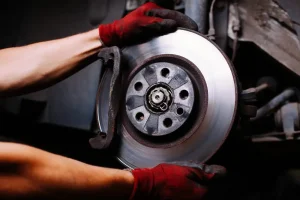
Brake problems rarely improve by waiting.
They may become louder. The pedal may feel different. The steering wheel may start shaking. Stopping may become less smooth.
Or the vehicle may give you very little warning at all.
That is why a search for brake repair near me should begin with understanding the symptoms rather than trying to diagnose the vehicle from the driver’s seat.
Valor Auto Group provides brake inspections and brake service in Junction City for drivers from Junction City, Fort Riley, Manhattan, and surrounding Central Kansas communities.
Here are seven signs that should move a brake inspection higher on your priority list.
1. Why Are My Brakes Squeaking?
Squeaking is probably the brake symptom drivers recognize most quickly.
But it does not point to one universal problem.
Brake noise can be influenced by pad condition, moisture, debris, component design, glazing, rotor condition, or other factors.
Some noises may be relatively minor. Persistent or changing noises deserve inspection.
The mistake is assuming that because a vehicle still stops normally, the sound can be ignored indefinitely.
A technician can inspect the friction material and related brake components to determine whether wear or another condition needs attention.
2. What Does Grinding When Braking Mean?
Grinding deserves more urgency.
A grinding sound can indicate that brake friction material has worn significantly or that metal components are contacting surfaces they should not.
Continuing to drive with severely worn brake components can increase repair cost and compromise braking performance.
If you hear a new grinding noise while applying the brakes, schedule an inspection promptly.
If braking performance has also changed substantially, consider whether the vehicle should be driven at all before receiving professional guidance.
3. Why Does My Steering Wheel Shake When I Brake?
Vibration during braking can have several possible causes.
Drivers often describe it as a pulsing brake pedal, shaking steering wheel, or vibration through the vehicle.
Brake rotor condition may be involved, but suspension, tire, wheel, and other issues can sometimes create similar sensations.
That is why diagnosis matters.
The symptom tells you something changed.
It does not always tell you which part to replace.
4. Why Is My Car Pulling When I Brake?
A vehicle that moves noticeably toward one side while braking should be inspected.
Brake component operation may be involved, but tire condition, alignment, suspension, and other mechanical factors can also affect how a vehicle tracks.
Do not assume a pull is “just alignment” without inspection.
If the behavior is new, especially if it appears specifically during braking, tell the service advisor exactly when it happens.
5. Why Does My Brake Pedal Feel Soft?
Drivers become accustomed to how their brake pedal normally feels.
That makes a significant change important.
A pedal that suddenly feels unusually soft, travels farther than normal, or responds differently should not be dismissed.
Brake systems rely on hydraulic operation and multiple mechanical components. Changes in pedal behavior can indicate a condition that requires professional evaluation.
If the pedal approaches the floor or braking ability is significantly reduced, do not continue normal driving and hope the problem resolves itself.
6. What Does a Brake Warning Light Mean?
Modern vehicles can display several brake-related warnings.
Some relate to the parking brake. Others can indicate an issue within the braking or anti-lock braking system.
The exact meaning depends on the vehicle.
Check the owner’s information and pay attention to whether the warning appears with other symptoms.
A warning light combined with poor braking, unusual pedal feel, fluid loss, or other changes deserves immediate attention.
7. Why Is My Vehicle Taking Longer to Stop?
This may be the most important symptom of all.
If the vehicle does not stop the way it normally does, do not wait for a louder warning.
Reduced braking performance can relate to multiple conditions and requires inspection.
Drivers naturally adapt to gradual wear, which can make deterioration difficult to notice.
That is one reason periodic brake inspections matter even when there is no dramatic failure.
How Often Should Brakes Be Inspected?
There is no universal mileage at which every vehicle needs brake pads.
Brake life varies with:
- Vehicle weight
- Driving style
- Highway versus city use
- Towing
- Terrain
- Brake material
- Weather
- Vehicle configuration
A truck towing trailers can create a different brake-use pattern from a commuter car spending most of its time on I-70.
Inspection is more useful than guessing from mileage alone.
Does Towing Wear Brakes Faster?
Towing adds weight that the vehicle must manage during acceleration, cornering, and braking.
Proper trailer brakes and towing equipment are important because the truck should not be expected to manage an improperly configured trailer by itself.
Drivers who tow regularly should pay particular attention to brake condition and manufacturer-recommended maintenance.
This applies to F-150, Ram 1500, Super Duty, Ram Heavy Duty, and other tow vehicles.
Why Kansas Driving Conditions Matter
Central Kansas driving can include highway mileage, rural roads, gravel, winter conditions, heat, towing, and frequent changes in speed between town and open road.
No single environment determines brake life.
The combination does.
Drivers should also remember that tires affect stopping performance. Brakes cannot create more grip than the tire-road connection allows.
That is why brake and tire condition often deserve to be evaluated together.
Do I Need Brake Pads or Brake Rotors?
Not every brake service requires the same parts.
A proper inspection should evaluate the condition of the braking components rather than automatically replacing everything.
Depending on wear and condition, service could involve pads, rotors, fluid-related work, hardware, or other components.
The correct repair should follow diagnosis.
Why Brake Fluid Matters
Brake systems rely on hydraulic fluid to transfer force.
Brake fluid condition and level therefore matter to system operation.
Service recommendations vary by manufacturer and vehicle.
Follow the maintenance information for your specific model rather than assuming every vehicle uses the same interval.
Can Tires Make a Brake Problem Feel Worse?
Absolutely.
Worn or improperly inflated tires can reduce available traction.
Alignment or suspension problems can also affect vehicle behavior during braking.
This is why a professional inspection looks beyond one component when symptoms point to a broader issue.
Where Can I Find Brake Repair Near Me in Junction City?
Valor Auto Group provides brake inspections and brake service through its Junction City service operations.
The group services Ford, Chrysler, Dodge, Jeep, and Ram vehicles and can assist with additional vehicle service needs as well.
You do not have to have purchased the vehicle from Valor.
Start with the Valor Auto Group Service & Parts page when you need brake service in Junction City.
Can Fort Riley Drivers Get Brake Service at Valor?
Yes.
Valor’s Junction City location makes it a nearby service option for Fort Riley drivers.
That can be especially useful for military families who recently moved to the area and have not yet established a relationship with a local repair shop.
If your vehicle is making a new brake noise or braking differently, explain the symptom when scheduling so the service team understands why you are bringing it in.
Can Manhattan Drivers Use Valor for Brake Repair?
Yes.
Valor Auto Group serves customers from Junction City, Manhattan, and surrounding Central Kansas communities.
For Ford and CDJR owners, the Junction City location also provides access to brand-focused service resources.
Questions Drivers Ask About Brake Repair Near Me
Where can I get brake repair near me in Junction City, KS?
Valor Auto Group provides brake inspections and brake service at its Junction City service operations at 1825 Goldenbelt Boulevard. The group serves Ford, Chrysler, Dodge, Jeep, Ram, and additional automotive service needs. Junction City also has independent brake and repair shops, giving local drivers several options. When choosing a shop, look beyond proximity. Consider diagnostic capability, technician experience, parts quality, warranty considerations, and whether the facility can address related tire, alignment, suspension, or mechanical concerns if the brake symptom turns out to involve more than friction material.
How do I know if I need new brake pads?
Brake pad wear should be confirmed through inspection. Possible warning signs include persistent squealing, grinding, changes in pedal feel, reduced braking performance, or a vehicle-specific wear indicator. However, not every noise means the pads require replacement, and brake components can sometimes wear without dramatic symptoms. Driving conditions also affect pad life, so there is no single mileage at which every vehicle needs brakes. A professional inspection can measure friction material and evaluate related components before recommending service.
Why do my brakes grind?
Grinding can indicate significant brake wear or contact between components that should not be operating together in that condition. It deserves prompt inspection. Continuing to drive may increase damage and repair cost, and braking performance can eventually be affected. Because sounds can travel through a vehicle, the exact cause should still be confirmed professionally rather than ordering parts based on noise alone. If grinding is accompanied by poor braking, warning lights, a soft pedal, or other serious symptoms, seek professional guidance before continuing normal driving.
Why does my car shake when I brake?
Brake-related vibration can involve rotor condition, but tires, wheels, suspension components, and other mechanical issues can sometimes create similar symptoms. Pay attention to where you feel the vibration and when it occurs. Does the steering wheel shake? Does the pedal pulse? Does it happen only at highway speeds? Does the vehicle pull? Those details can help a technician reproduce and diagnose the concern. Avoid assuming the vehicle automatically needs rotors until the system has been inspected.
How much does brake repair cost?
Brake repair cost depends on the vehicle and what actually needs replacement or repair. Pad replacement is a different job from pads and rotors, hydraulic repair, caliper work, or more extensive brake-system service. Vehicle size and parts requirements also affect cost. The most useful first step is diagnosis and inspection. Valor Auto Group maintains a Service & Parts Specials page where customers can review current offers before scheduling.
Should I keep driving if my brakes feel different?
That depends on the severity of the change, but significant braking changes should always be taken seriously. If the pedal is going toward the floor, stopping ability is substantially reduced, a brake warning is accompanied by poor performance, or the vehicle feels unsafe, do not continue normal driving. Contact a professional service provider for guidance. If the symptom is less severe, such as a new squeak with otherwise normal operation, schedule an inspection rather than waiting for the condition to become worse. Brakes are a safety system, so early evaluation is the appropriate approach.
Your Brakes Should Not Have to Get Loud Before You Listen
The best time to inspect a brake concern is before the vehicle forces the issue.
Squealing, grinding, vibration, pulling, warning lights, pedal changes, and reduced stopping performance are all reasons to pay attention.
Valor Auto Group provides brake service and automotive repair in Junction City for customers from Junction City, Fort Riley, Manhattan, and surrounding Central Kansas communities.
Drivers can also check current service and parts specials or contact Valor Auto Group for assistance.
Connect with us


